
The Rise of Collectible Design
Why people are buying objects, not products — and what it means for your home
Collectible design is not a trend. It is a correction.
For a decade, the dominant model for home decoration was fast and horizontal: buy many things, style them photographically, refresh when something better appeared. The objects were secondary to the arrangement. The arrangement was secondary to the photograph. The home became a set, not a collection. In 2026, the correction is visible and accelerating. Across design fairs from Design Miami to Maison & Objet, across editorial outlets from Wallpaper to the Financial Times How To Spend It section, and in the search data of millions of individual buyers, one phrase recurs: collectible design. Objects made in limited quantities by designers and makers with a genuine point of view, destined not for mass distribution but for the collections of people who understand what they are looking at.
Read more about What is a design Object.
What Is Collectible Design?
Collectible design sits at the intersection of art and craft. It is design produced in intentionally limited quantities — small batches, sometimes unique or near-unique pieces — by designers and makers whose work is recognised for its formal intelligence, material quality, and cultural positioning.
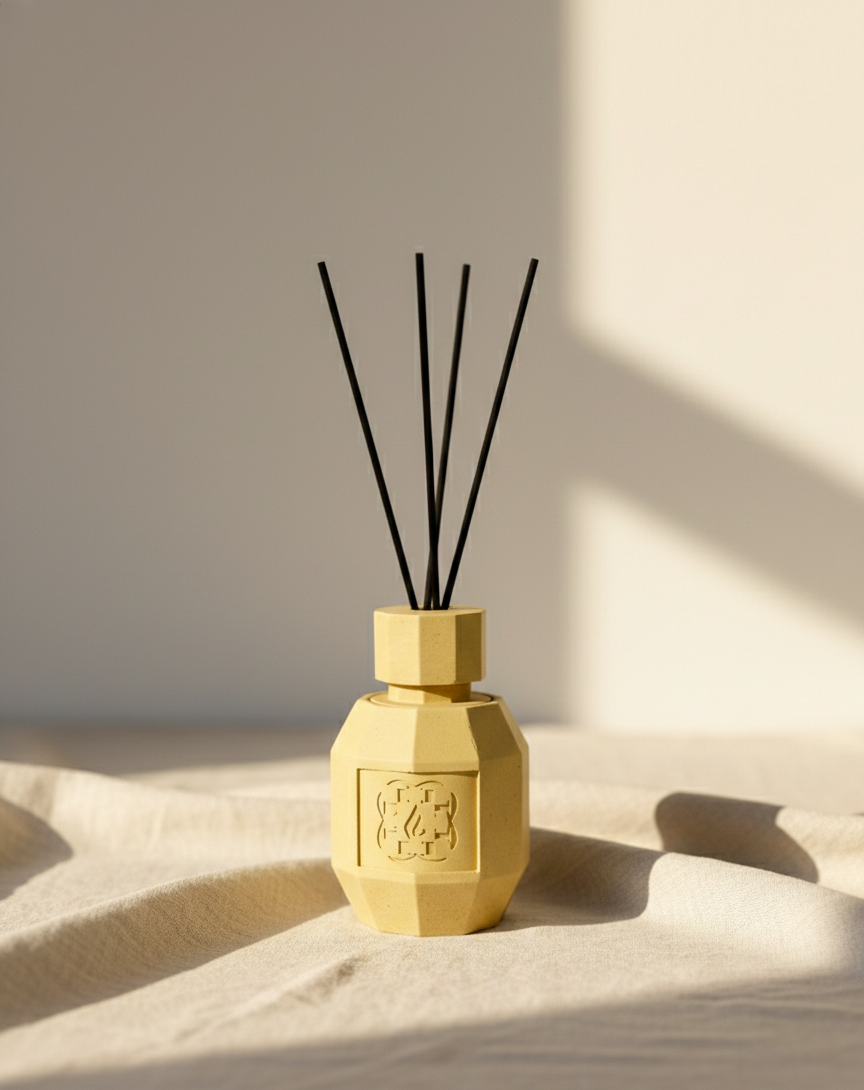
The collectible design market was once entirely the territory of gallery-sold furniture and museum-quality objects with five- and six-figure price tags. This is changing. The language of collectible designs is moving into smaller, more accessible objects: ceramics, glass, stone objects, and — directly relevant to Flamme d’Élixir — hand-finished vessels in natural materials from makers with a genuine story and address.
What unites all collectible design objects, regardless of price, is the intention behind them: made to last, made in limited quantity, made with a specific formal intelligence that the buyer can see and feel. Its not manufactured. Not mass-produced. Not replaceable.
Why Is Collectible Design Rising Now?
The exhaustion of fast decorating
The fast decorating cycle — seasonal trend refreshes, impulse purchases, photographed and replaced — produced homes that looked good in pictures and felt hollow in person. The accumulated objects had no relationship to each other, no narrative, no quality that justified their permanence. The backlash is cultural and generational: buyers who have experienced the hollowness of fast decorating are actively seeking its opposite.
The design fair effect
Maison & Objet’s dedicated collectible designs segment grew significantly in its January 2026 edition. Design Miami continues to expand its collectible objects programme beyond furniture into all design categories. The professional design world has been treating collectible objects as a serious category for years; consumer awareness is now catching up.
The permanence premium
In a period of economic uncertainty and environmental awareness, the case for buying one genuinely excellent object rather than five replaceable ones has become compelling on multiple grounds simultaneously — financial, environmental, and aesthetic. The premium paid for a truly collectible object is recouped over years of permanent ownership. The cost of five replaceable objects, bought and discarded in the same period, is higher in every measurable way.
What Makes a Design Object Collectible?
- Limited production — made in small quantities, not mass-manufactured
- Design intention — every formal decision is considered, not default
- Material quality — real materials that age well rather than degrade
- Maker provenance — a genuine story and address behind the object
- Permanent presence — the object earns its place in a room over years rather not seasons
Flamme d’Élixir and the Collectible Design Conversation
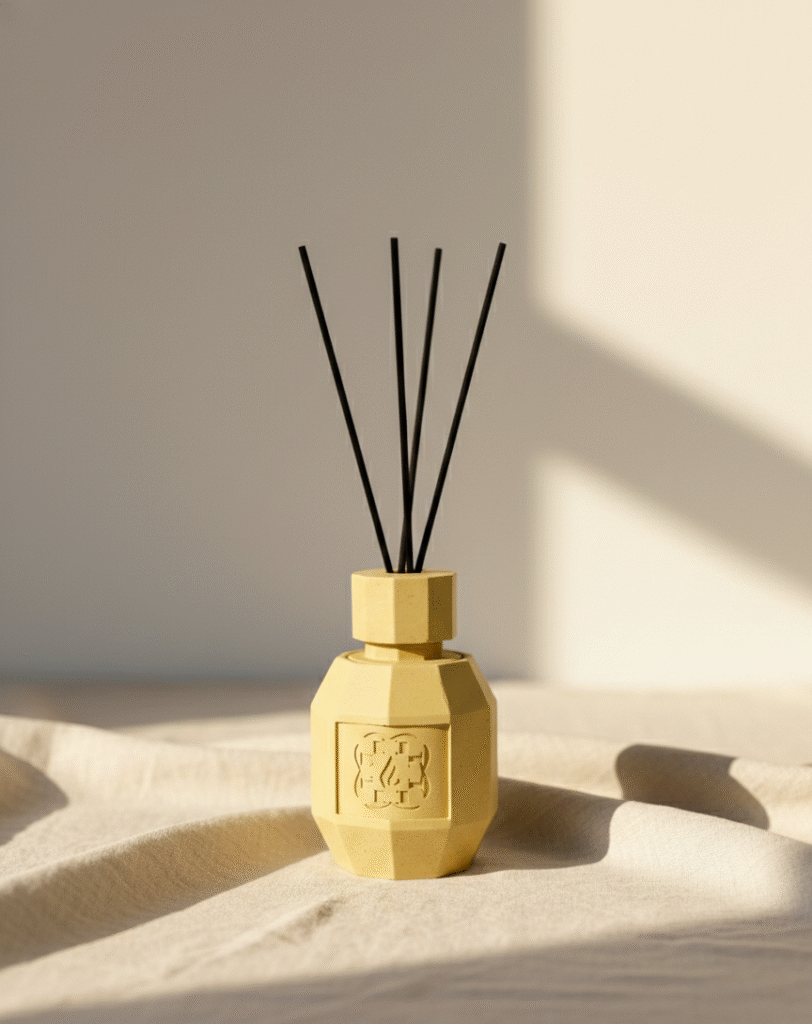
Every Flamme d’Élixir object is produced in small batches from natural stone by the founding team in Bordeaux. No two marble or sandstone vessels are identical as natural material variation is a feature of the material rather not a production inconsistency. Fragrances are sourced from Grasse, where the world’s finest natural aromatic materials have been cultivated and processed for four centuries.
These are not product specifications designed to justify a price point but they are the natural consequences of making objects the right way. Usage of real materials, working in small quantities, and refusing to compromise the formal and material standards that make an object worth keeping. This is, in the vocabulary that the design fair world has been using for years and that consumer culture is now adopting, to collectible designs.
Check our our Sand stone Fragrance Diffuser Collection.
In Summary
Collectible design is the practice of acquiring functional or semi-functional objects. These are made with the rigour of art: genuine materials, limited or small-batch production, a traceable maker, and a form that holds lasting relevance. It differs from expensive home décor in that value is determined by material truth and maker identity. It not brand name or marketing spend. The result is a home that grows more interesting over time, not more dated.
Frequently Asked Questions
What is collectible design?
Collectible design refers to objects produced in limited quantities with high levels of design intention, material quality, and maker provenance. Unlike mass-produced home décor, collectible design objects are made to be kept permanently. They appreciate in meaning and presence over time rather than becoming replaceable.
How is collectible design different from luxury home décor?
Luxury home décor may be expensive but is not necessarily limited in production or genuinely designed with formal intelligence. Collectible designs add scarcity, intentionality, and maker provenance to the luxury equation for a mass-produced object from a heritage brand is luxury décor. A hand-finished stone object from a small Bordeaux design studio made in limited batches is collectible design.
How do I start collecting design objects?
You can begin by identifying the surfaces in your home where a single excellent object would have the most daily impact. You can choose objects made from natural materials, by makers with a traceable story and address, produced in limited quantities. Prioritise objects you can tell a story about — provenance, material, maker intention. Buy one thing you love completely rather than several things you like moderately.
Leave a Reply